
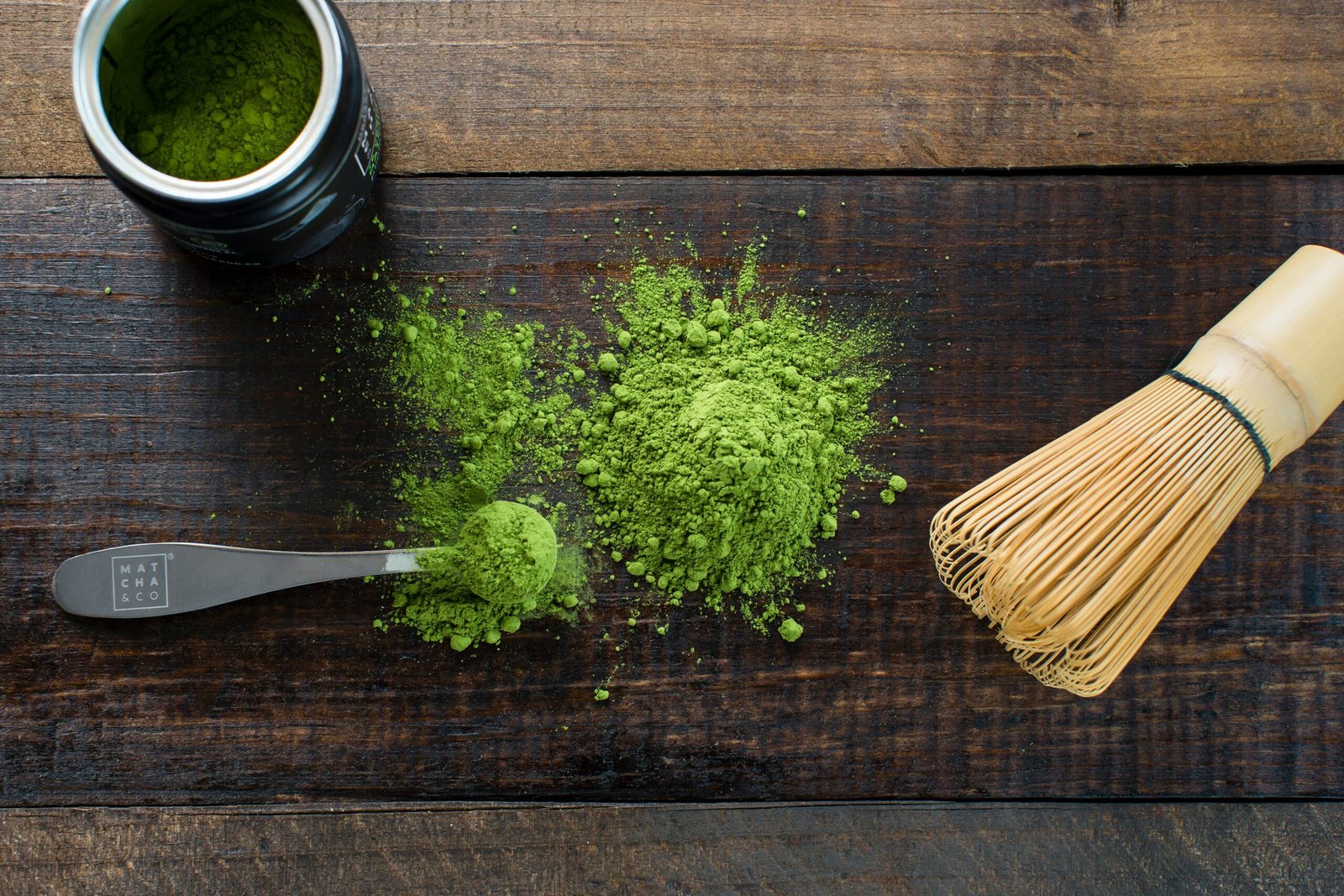
Matcha has been enjoyed for centuries, but lately, it’s become a massive trend. The truth is, many people aren’t enjoying it the right way or are buying low-quality options. Let’s change that.
Why It’s Everywhere Right Now
So why is matcha everywhere now? It has shifted from a specialty item in tea shops to a mainstream favorite. Coffee places are featuring it, it’s all over TikTok, and wellness brands are jumping on the bandwagon too. While some of this popularity is well-deserved, matcha really does work. Much of it is just clever advertising. What makes matcha special is its unique energy boost. It offers a smooth, steady lift without the jitters or crashes you often get from coffee.
The Actual Benefits
The L-theanine + caffeine combo is the whole story. Matcha contains both, and they work together:
- Calm focus — L-theanine promotes alpha brain waves, the same state you hit in deep meditation. Caffeine gives you the lift; theanine smooths it out.
- Sustained energy — no spike-and-crash. It’s a slow burn.
- Antioxidants — matcha is loaded with catechins, especially EGCG. Because you’re consuming the whole leaf (not steeping and discarding it), you get far more than you would from regular green tea.
- Metabolism & fat oxidation — modest but real effects, especially paired with movement.
- Liver support — some evidence for protective effects, though don’t treat it as a cure for a bad lifestyle.
The catch: none of this matters if you’re drinking matcha loaded with sugar, syrup, and whipped cream. A matcha latte from a chain can hit 40+ grams of sugar. That’s a dessert, not a health drink.
How to Buy It (Don’t Get Scammed)
This is where 90% of people go wrong.
- Ceremonial grade — for drinking straight with water. Higher grade, brighter green, sweeter, less bitter.
- Culinary grade — for lattes and baking. Cheaper, more bitter, gets masked by milk.
- Color test — real matcha is vivid green. If it’s dull, yellowish, or brownish, it’s old or low quality.
- Smell — fresh, grassy, slightly sweet. If it smells like hay or dust, walk away.
- Origin — Japanese matcha (Uji, Nishio, Kagoshima) is the gold standard. Chinese matcha is cheaper and usually inferior, though not always.
- Price reality check — good ceremonial matcha is not cheap. If you’re paying $10 for 100g of “ceremonial grade,” it’s not ceremonial grade.
Storage matters: matcha oxidizes fast. Keep it sealed, in the fridge, away from light and air. Use it within a few weeks of opening.
How to Actually Make It
Forget complicated rituals unless you enjoy them. Here’s the practical version:
Basic hot matcha:
- Sift 1–2 tsp of matcha into a bowl (sifting prevents clumps — don’t skip it)
- Add ~2 oz of hot water — not boiling. Around 175°F / 80°C. Boiling water scorches it and makes it bitter.
- Whisk in a zigzag/W motion with a bamboo chasen (or a milk frother if you don’t have one)
- Top with more hot water, or milk of choice
Iced matcha latte:
- Whisk matcha with a small amount of cold or room-temp water first
- Pour over ice
- Add cold milk, oat and whole milk both work great
- Sweeten sparingly if at all
Pro moves:
- Sift your matcha. Always.
- Water temp is everything. Too hot = bitter. Too cold = clumpy.
- Whisk, don’t stir. You want a fine foam.
- Drink it fresh. Matcha settles and separates within minutes.
⚠️ Things Nobody Tells You
- Matcha is concentrated. One cup has roughly the caffeine of a small coffee, but the whole-leaf consumption means you’re getting more of everything, including any contaminants.
- Lead and heavy metals are a real concern with cheap, low-quality matcha, especially from regions with poor soil regulation. This is a genuine reason to buy from reputable Japanese sources.
- Don’t drink it on an empty stomach if you’re sensitive — it can cause nausea.
- It can interfere with iron absorption. If you’re anemic or on iron supplements, space it out.
- More isn’t better. 1–2 cups a day is plenty. Chugging 5 cups won’t make you 5x healthier, it’ll just make you anxious and broke.
The Bottom Line
Matcha is one of the few trendy things that actually delivers. But the market is flooded with overpriced rubbish, sugar bombs, and marketing nonsense. Buy good matcha, make it yourself, skip the syrup. That’s the whole game.