
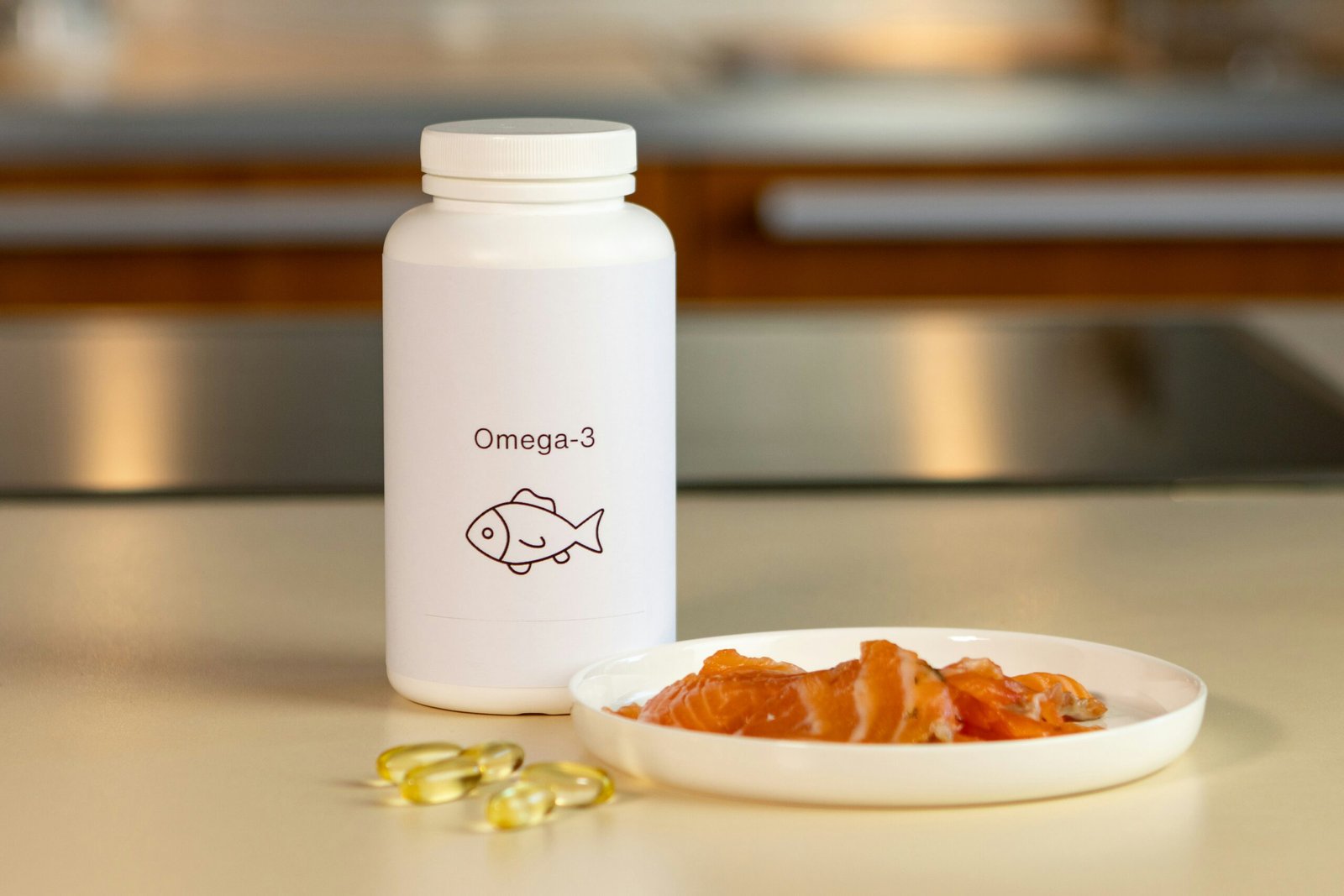
Walk into any pharmacy, supermarket, or Costco and you’ll see them: giant tubs of golden fish oil soft gels, plastered with hearts, promising to “support cardiovascular health.”
Here’s the problem nobody puts on the label: that oil is chemically fragile — and it’s probably already going bad before you even open the bottle.
Let’s break it down simply.
What Makes Omega-3s So Unstable?
Fats are built from chains of carbon atoms. Some chains have “double bonds” — spots where the molecule is chemically exposed and vulnerable.
- Butter, beef fat, coconut oil → almost no double bonds → very stable
- Olive oil → one double bond → fairly stable
- Fish oil (EPA & DHA) → five to six double bonds → extremely unstable
Think of each double bond as a cracked window. Oxygen gets in through the cracks. The more cracks, the faster it goes bad.
DHA, one of the main components in fish oil, has six double bonds, making it one of the most delicate fats available. This isn’t just a marketing stunt; it’s simply how these compounds work on a chemical level.
What Happens When It Goes Bad?
When fish oil is exposed to oxygen; those double bonds react and start a chain reaction. This leads to the formation of toxic substances like:
– Lipid peroxides
– Malondialdehyde (MDA)
– 4-HNE
These compounds aren’t harmless. They can damage cells, harm DNA, and are linked to plaque formation in your arteries. In lab settings, they’re often used as indicators of oxidative stress, reflecting how much damage is
So, when fish oil goes rancid, you’re not just getting “less benefit.” You may be getting a pro-oxidant payload.
The LDL Problem
Your liver processes fats into small particles known as VLDL. After these particles deliver their cargo, they convert into LDL—the kind of cholesterol that often raises concerns.
Here’s the tricky part:
– When you take fish oil, your VLDL becomes enriched with EPA and DHA.
– When those VLDL change into LDL, they carry that fragile fat with them.
– As a result, your LDL particles are burdened with highly reactive six-double-bond fats, making them particularly prone to oxidation.
Numerous studies have shown that taking fish oil can enhance the oxidation of both VLDL and LDL. Why is this important? Oxidized LDL is the version that triggers immune cells to invade artery walls and transform them into foam cells, marking the beginning of plaque development.
In simple terms, the same fat you’re consuming for heart health actually increases the likelihood of clogging your arteries.
And the Bottle on the Shelf?
Often, fish oil soft gels sit warm in an oxygen-rich environment and are exposed to light for extended periods before you buy them. While they are encapsulated, that doesn’t mean they’re immune to oxidation.
Independent studies have highlighted that a significant number of over-the-counter fish oil products fail to meet basic standards for freshness and oxidation. You may end up taking a capsule that’s already gone bad.
Better Options
1. Eat real fish. Fresh salmon, sardines, mackerel, anchovies, herring. Whole fish comes packaged with its own protection — vitamin E, selenium, astaxanthin (the pigment that makes salmon pink). It hasn’t been sitting in a capsule for two years.
2. If you must supplement, be picky.
- Look for third-party tested brands with published peroxide and TOTOX values
- Refrigerate after opening
- Smell it — if it smells like old paint or fishy crayons, toss it
- Choose triglyceride-form over ethyl-ester where possible
- Smaller bottles, fresher stock
3. Get omega-3s from whole foods first. Your body doesn’t need a capsule. It needs fat in a form it can actually use without collateral damage.
Bottom Line
More double bonds lead to more oxidation, which in turn produces more harmful reactions, making LDL more vulnerable to damage. The chemistry surrounding these fats is clear, even if the marketing can be misleading.
So, opt for the fish, and think twice before reaching for that shiny tub of pills.
In short, eating real fish is a far better option than relying on supplements that may not do what they claim to.
Eat the fish. Skip the tub of golden pills.